
Health
A-list actor opens up about wife’s terrifying brain aneurysm scare
By Victor Alvarez
Advertisement · Why this ad?
Sophie is a graduate of Miami University of Ohio and has spent over four years covering local government issues for various civic and political blogs. Her background in public policy gives her unique insights into legislative matters affecting Cleveland.
More from Sophie →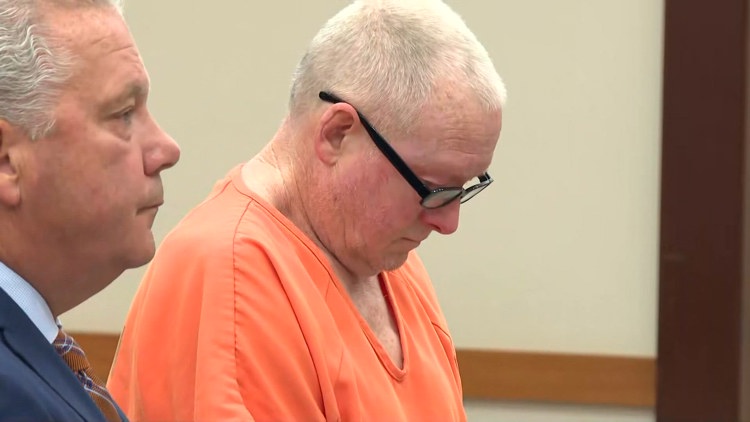
In a quiet North Royalton neighborhood, the sun was setting as residents went about their evening routines, unaware of the storm brewing within their community. Just down the street, 70-year-old Edward Biesiada sat in a stark courtroom, facing serious accusations that would forever alter the fabric of their town. Accused of the aggravated murder of the local building commissioner, Biesiada's case has raised profound questions about mental health, accountability, and the safety of the community.
On a fateful day earlier this month, Biesiada was arrested and charged with the aggravated murder of North Royalton's building commissioner, a position that plays a critical role in maintaining the integrity of the city's development and safety standards. The incident has sent shockwaves through the community, leaving residents grappling with the implications of such a violent act occurring in their midst. As the legal proceedings unfold, Biesiada's defense team has announced plans to pursue an insanity plea, which will require him to undergo a court-ordered mental health evaluation.
This case is not merely a legal battle; it is a reflection of deeper societal issues surrounding mental health and the criminal justice system. Many residents are left wondering how someone could commit such a grave act and whether mental illness played a pivotal role in this tragedy. The court's decision to evaluate Biesiada's mental state will be crucial in determining the course of the trial and the potential consequences he may face.
The reaction from the community has been one of shock and confusion. North Royalton, known for its tight-knit neighborhoods and family-oriented values, is now grappling with the reality of violence in their town. Local residents have expressed their disbelief, with many stating that they never expected such an incident to occur in their community. "It feels surreal; we never thought something like this could happen here," said one long-time resident, who wished to remain anonymous.
Parents have voiced their concerns about the safety of their children and the overall security of the neighborhood. The North Royalton school district, which prides itself on fostering a safe environment for students, is now faced with questions about how to address the community's fears. In response, the district has increased communication with parents, assuring them that safety remains a top priority. The local police department has also stepped up patrols to reassure residents and maintain a sense of security.
As the legal process continues, community leaders are calling for open dialogues about mental health resources and awareness. Many believe that this incident could serve as a catalyst for change, prompting discussions about how to better support individuals struggling with mental illness before they reach a crisis point. Local organizations have begun to mobilize, offering resources and support for those affected by the tragedy.
The murder of the building commissioner, a key figure in local governance, raises significant concerns about the stability of city operations. This role is crucial not only for maintaining safety standards but also for fostering community development. The city council has expressed its commitment to ensuring that the work of the building department continues smoothly, despite the tragic loss. Council members are now exploring ways to enhance security measures for city officials and staff to prevent such incidents in the future.
In the wake of this tragedy, North Royalton's city officials are also prioritizing mental health training for employees. They recognize that public service roles can be stressful and that providing adequate support and resources is essential to prevent burnout and mental health crises among staff. This initiative aims to cultivate a healthier work environment that prioritizes the well-being of those who serve the community.
The intersection of mental health and the criminal justice system is a complex and often misunderstood area. According to the National Alliance on Mental Illness, mental health issues affect millions of Americans, yet many individuals do not receive the help they need. This case highlights the urgent need for comprehensive mental health services and a more nuanced understanding of how mental illness can influence behavior.
Biesiada's defense strategy to seek an insanity plea raises essential questions about accountability and the role of mental illness in criminal actions. The legal definition of insanity varies by state, and proving such a defense requires substantial evidence that the individual was unable to understand the nature of their actions at the time of the crime. This can be a challenging and contentious process, often leaving families and communities divided over the outcomes.
In light of the recent events, local mental health organizations are stepping up their outreach efforts. Resources such as counseling services, support groups, and educational workshops are being made more accessible to residents. The North Royalton Community Center is hosting a series of workshops aimed at educating the public about mental health issues and available resources, fostering an environment of understanding and support.
Moreover, local faith-based organizations are also playing a vital role in providing emotional support to those affected by the tragedy. They are organizing prayer vigils and community gatherings to allow residents to come together, share their feelings, and find solace in one another. These initiatives are essential in helping the community heal and rebuild trust.
As the case progresses, it will undoubtedly serve as a focal point for discussions about mental health and community safety. Local leaders are advocating for more resources to be allocated toward mental health services, emphasizing the importance of prevention and early intervention. Initiatives aimed at educating the public about mental health issues and reducing stigma are critical in fostering a supportive environment for those in need.
Furthermore, community forums are being organized to allow residents to voice their concerns and engage in dialogue about how to move forward together. The hope is that through collective action, North Royalton can emerge stronger and more resilient in the face of adversity.
The tragic events surrounding Edward Biesiada's case remind us of the fragility of life and the importance of community support. As North Royalton grapples with the implications of this incident, it is crucial to remember the value of strong families and committed relationships in overcoming challenges. By fostering a culture of understanding and compassion, the community can work toward healing and ensuring that such tragedies do not happen again. The path ahead may be uncertain, but with a united front, North Royalton can strive for a brighter future.
By Victor Alvarez

By Tom Langston

By Ethan Kelly
By Sophie Chen